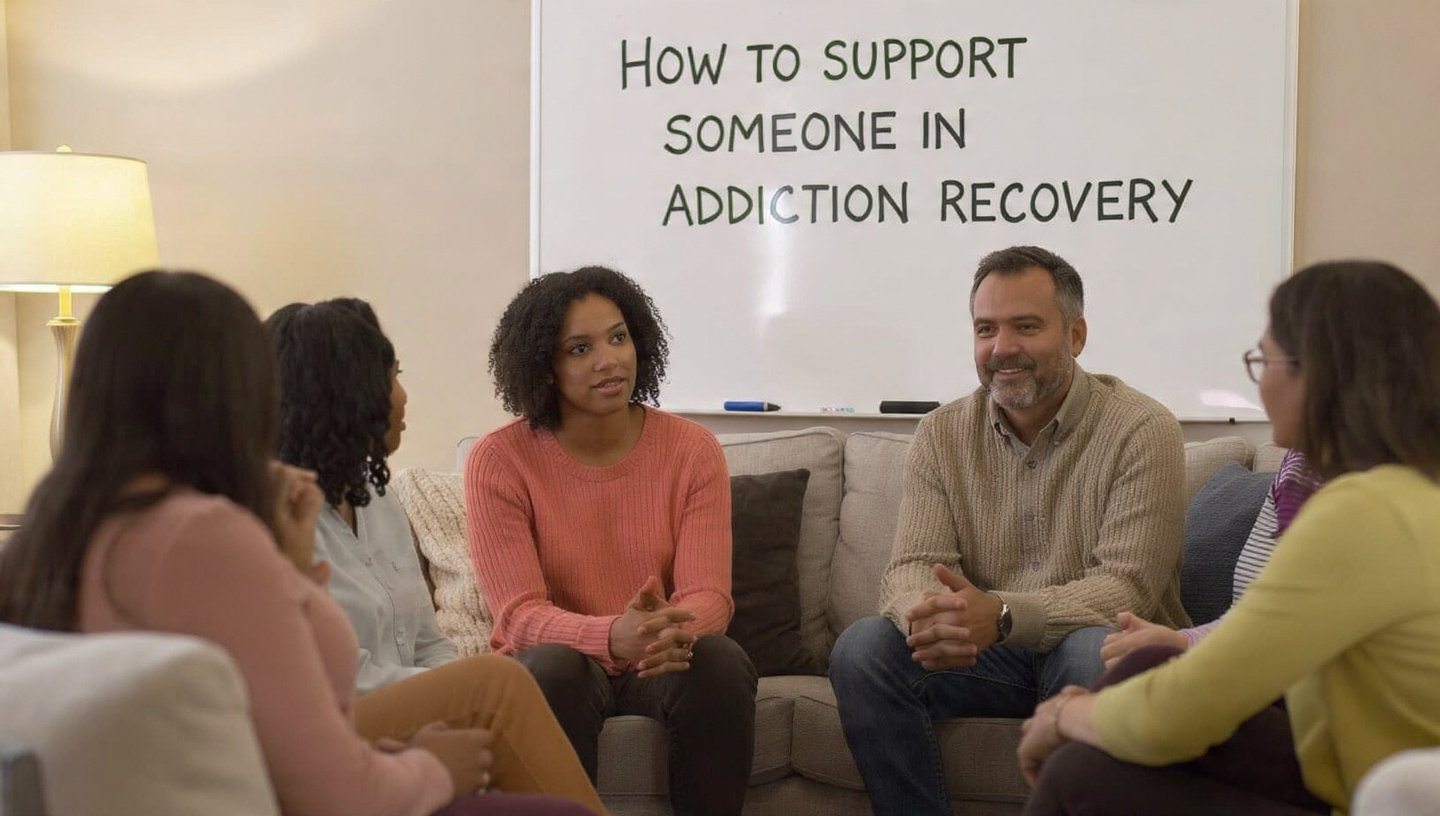
A single image can change the way we understand a person, a struggle, or a possibility. When addiction is portrayed only through crisis, pain, or stereotypes, it becomes easy to forget the human being behind the condition. Compassionate addiction images can tell a fuller story. They can reveal emotional struggles, relationships, treatment, personal growth, and hope while helping people understand substance use disorder as a complex health condition rather than a personal failure.
For individuals and families affected by addiction, this shift in perspective matters. Recovery is not simply about stopping substance use. It can involve mental health treatment, rebuilding relationships, developing healthier coping skills, restoring physical wellbeing, finding purpose, and learning how to live differently. Visual storytelling can help make that broader recovery journey easier to see and understand.
Why Images Matter in Addiction Recovery
Photography communicates emotion in ways that statistics and clinical terminology sometimes cannot. A photograph of someone sitting alone may communicate isolation. A conversation with a counselor may suggest trust and support. A family sharing a moment together can represent connection after a period of conflict.
These visual details can encourage people to think beyond the surface.
Addiction Does Not Have One Face
There is no single appearance associated with addiction. Substance use disorder can affect people of different ages, backgrounds, professions, families, and life circumstances.
Someone experiencing addiction may be a parent, student, business owner, healthcare worker, spouse, friend, or caregiver. They may appear successful on the outside while privately dealing with cravings, anxiety, depression, trauma, or overwhelming stress.
That is why responsible addiction photography should challenge stereotypes instead of reinforcing them.
When images show a wider range of experiences, viewers may become more willing to recognize addiction in themselves or someone they love. More importantly, they may begin to understand that needing treatment is not a sign of weakness.
Seeing Addiction as a Health Condition
Addiction affects much more than substance use. It can influence physical health, emotional wellbeing, decision making, relationships, work, family life, and overall quality of life.
Seeing addiction through this broader lens encourages a more appropriate response: professional care instead of judgment.
The Connection Between Addiction and Mental Health
Mental health and addiction are often closely connected. Some people use substances while attempting to cope with trauma, anxiety, depression, grief, chronic stress, or other painful experiences. Over time, substance use can create additional emotional, physical, and social difficulties.
This is one reason comprehensive addiction treatment should consider the whole person.
Images of therapy, counseling, peer support, healthy relationships, reflection, and wellness activities can help communicate that recovery involves emotional and psychological healing as well as changes in substance use.
For someone considering treatment, that message can be important. Recovery does not require pretending that difficult emotions do not exist. Instead, treatment can help people develop healthier ways to understand and manage those emotions.
Compassionate Images Can Reduce Addiction Stigma
Stigma remains one of the major barriers to addiction treatment. People may avoid asking for help because they fear being judged by family members, friends, coworkers, or their community.
Compassionate visual storytelling can help change that conversation.
Replace Judgment With Understanding
There is a significant difference between asking, “What is wrong with this person?” and asking, “What is this person experiencing, and what support might help?”
The second question creates room for understanding.
That does not mean ignoring harmful behavior or minimizing the consequences of addiction. Compassion and accountability can exist together. A person struggling with substance use deserves dignity and appropriate healthcare, while family members and loved ones also deserve safety, support, and healthy boundaries.
Images that present people with dignity can help reinforce this balanced perspective.
Show More Than the Crisis
Sensational images may attract attention, but they can also create an incomplete picture of addiction. If people are shown only during their most difficult moments, viewers may begin to associate addiction exclusively with despair.
Recovery deserves to be part of the story.
A photograph of someone attending therapy, reconnecting with family, exercising, participating in a recovery group, practicing mindfulness, or simply enjoying a healthy daily routine can communicate something powerful. It shows that addiction is not a permanent identity.
Recovery Is More Than a Single Moment
One of the most important lessons visual storytelling can offer is that recovery happens over time.
People sometimes imagine recovery as one dramatic turning point. In reality, lasting change is usually built through many smaller decisions.
Small Steps Can Create Meaningful Progress
Progress may look like:
- Attending another counseling session
- Learning to respond differently to stress
- Rebuilding trust with a loved one
- Establishing a healthier sleep routine
- Participating in peer support
- Practicing mindfulness
- Developing healthier eating and exercise habits
- Returning to work or school
- Reconnecting with personal values
- Asking for help during a difficult moment
None of these steps has to look dramatic to be meaningful.
Images can capture these ordinary moments and remind people that recovery is a process. Progress may be gradual, but every healthy choice can contribute to a stronger foundation.
Individualized Treatment Creates Different Recovery Stories
There is no universal addiction recovery plan. Every person brings a different history, set of challenges, strengths, responsibilities, and goals to treatment.
Effective care should reflect those differences.
Inpatient and Outpatient Care
For some people, inpatient treatment can provide the structure, stability, and professional support needed during an intensive stage of recovery. A structured environment may allow an individual to focus on treatment while stepping away from triggers and daily pressures.
For others, outpatient care may be a better fit. Outpatient treatment can provide professional support while allowing someone to continue managing work, education, family responsibilities, or other commitments.
Neither approach is automatically right for everyone. The important consideration is whether the level of care matches the person’s needs.
Visual stories that show different treatment environments can make recovery feel less unfamiliar. For someone who is nervous about seeking help, seeing supportive counseling spaces and positive treatment interactions may make the idea of reaching out feel more approachable.
Holistic Healing Expands the Meaning of Recovery
Addiction treatment should address substance use, but recovery can involve much more than abstinence.
Holistic care considers areas such as physical health, emotional wellness, relationships, personal values, and overall quality of life.
Caring for Mind, Body, and Spirit
Depending on a person’s needs and treatment plan, holistic support may include mindfulness, exercise, nutrition, relaxation, creative activities, stress management, healthy routines, and other wellness practices.
These approaches can help people develop healthier ways to cope with everyday challenges.
Visual storytelling can make this aspect of recovery especially clear. An image of someone walking outdoors, preparing a healthy meal, participating in a creative activity, or spending meaningful time with others can show what life after active addiction can begin to look like.
Recovery is not simply about removing a substance from someone’s life. It is also about creating a life that is healthier, more stable, and more meaningful.
Faith Based Support Can Offer Meaning
For individuals who draw strength from spirituality, faith based support can provide encouragement, connection, purpose, and hope.
Images of prayer, reflection, community, or spiritual support can represent this part of recovery respectfully. At the same time, spirituality is deeply personal. Effective individualized care should respect different beliefs and recognize that not everyone experiences healing in the same way.
The central principle remains the same: treatment should meet the person where they are and support the goals that matter to them.
Families Need to Be Part of the Bigger Picture
Addiction affects families as well as individuals. Parents, spouses, children, siblings, and close friends may experience fear, frustration, grief, anger, confusion, and exhaustion.
Compassionate images can help families understand that recovery is a process rather than an overnight change.
Rebuilding Connection and Trust
Family recovery may involve learning healthier communication, establishing boundaries, repairing damaged relationships, and understanding how to support someone without taking responsibility for their choices.
Professional guidance can be valuable during this process.
Images that show healthy conversations, counseling, supportive relationships, and moments of connection can remind families that recovery involves more than stopping substance use. It can also involve rebuilding a healthier way of relating to one another.
Turning Visual Understanding Into Real Action
The greatest value of an addiction image may be the moment it creates recognition.
Someone struggling with substance use may see an image and realize that another person understands what they are experiencing. A parent may recognize warning signs in a loved one. Someone already in recovery may see a reminder of how far they have come.
That recognition can become the beginning of action.
Reaching Out Does Not Require Having All the Answers
A photograph cannot diagnose addiction or replace professional treatment. However, it can encourage someone to start a conversation.
That conversation might begin with a healthcare professional, counselor, addiction treatment provider, trusted family member, or another qualified source of support.
You do not have to understand every treatment option before reaching out. You do not need to have a perfect recovery plan. The first step can simply be an honest conversation about what is happening and what kind of help may be available.
From there, professionals can help determine whether inpatient care, outpatient treatment, mental health services, holistic support, faith based care, or another individualized approach may be appropriate.
Conclusion: See the Person Behind the Addiction
Addiction cannot be fully explained by one photograph. It cannot be reduced to a stereotype, diagnosis, difficult moment, or painful consequence.
There is always a person behind the condition.
Compassionate images can help us remember that person. They can show vulnerability without exploitation, struggle without shame, treatment without judgment, and recovery without unrealistic promises. Most importantly, they can remind individuals and families that addiction is a health condition that deserves professional support and that recovery can take many different forms.
If addiction is affecting you or someone you love, consider taking the next step toward help. You do not need to wait for a crisis, and you do not need to have every answer before asking for support.
A conversation can be the beginning.
With individualized treatment, appropriate mental health care, meaningful support, and healthy changes that address mind, body, relationships, and personal values, a difficult chapter does not have to define the future. Sometimes, seeing addiction differently is the first step toward believing that recovery can look different too.