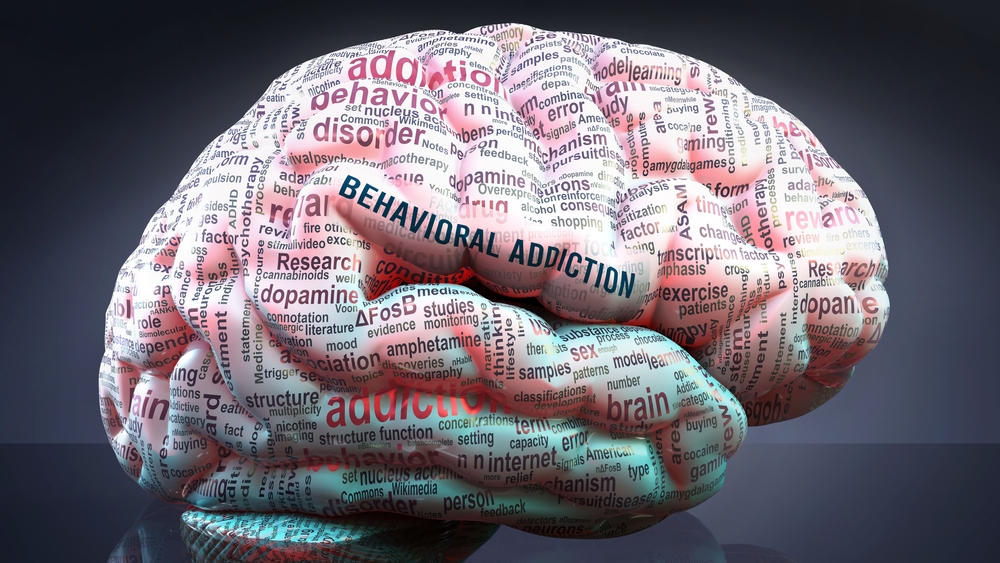
Addiction affects far more than a person’s choices or daily habits. It can change how the brain processes reward, influences physical health, disrupts emotional wellbeing, and gradually affects relationships and behavior. Yet many of these changes remain hidden from view. Images of addiction can help make these effects easier to understand by showing the physical, emotional, and social experiences that often accompany substance use. Looking beyond appearances allows families and individuals to recognize addiction as a complex health condition that deserves understanding, professional care, and compassionate support.
Through visual storytelling, Imagelib explores the human experiences behind addiction. A photograph may show exhaustion, isolation, a difficult family interaction, or a moment of connection during recovery. While no single image can explain the full impact of substance use, thoughtful pictures can encourage important questions about what a person may be experiencing beneath the surface.
Understanding how addiction affects the brain, body, and behavior can also help people recognize when it may be time to seek treatment.
How Addiction Changes the Brain
The brain plays a central role in addiction. Alcohol and other drugs can affect the systems involved in pleasure, motivation, memory, decision making, and self control. With repeated substance use, these changes can make it increasingly difficult for a person to control their behavior, even when they recognize the harm that substance use is causing.
Changes in the Brain’s Reward System
The brain’s reward system helps people recognize and repeat activities that support survival and wellbeing. These activities include eating, social connection, and accomplishing meaningful goals.
Addictive substances can strongly activate this system, creating powerful feelings of pleasure or relief. Over time, repeated exposure can alter how the brain responds to rewards. Everyday activities may become less satisfying, while the urge to use a substance can become more difficult to manage.
Images that portray someone withdrawing from hobbies, losing interest in relationships, or struggling to stay engaged in daily life can help illustrate these changes. They remind viewers that addiction may affect motivation and enjoyment in ways that are not always immediately visible.
Why Cravings and Decision Making Become Difficult
Addiction can also affect brain regions involved in judgment, planning, and impulse control. As a result, someone may continue using substances despite health concerns, family conflict, financial problems, or professional consequences.
Cravings can become especially difficult when a person encounters familiar environments, stressful situations, or people associated with past substance use.
This helps explain why simply telling someone to stop using drugs or alcohol may not be enough. Recovery often requires professional support, strategies for managing triggers, and time to develop healthier responses.
The Physical Effects of Addiction on the Body
The physical consequences of addiction depend on the substance involved, how often it is used, the amount consumed, and a person’s overall health. Some effects may appear gradually, while others can develop quickly and require urgent medical attention.
Visual stories can help communicate these consequences without reducing a person to their physical condition.
Changes in Sleep, Energy, and Appearance
Substance use can interfere with normal sleep patterns and affect energy levels. Some individuals experience persistent fatigue, disrupted sleep, appetite changes, or difficulty maintaining healthy routines.
Over time, these issues may affect concentration, personal care, and the ability to manage everyday responsibilities.
A photograph showing someone looking exhausted or isolated may encourage viewers to consider whether the person is struggling. However, appearance alone cannot establish that someone has an addiction. Many health conditions and life circumstances can cause similar changes.
The more useful approach is to consider ongoing patterns and encourage professional assessment when there are concerns.
Effects on Major Organs and Overall Health
Different substances can affect different parts of the body. Long term heavy alcohol use, for example, can contribute to liver disease, heart problems, digestive difficulties, and damage to the nervous system. Other drugs may increase the risk of cardiovascular complications, breathing problems, infections, or neurological harm.
Substance use can also increase the risk of accidents and injuries, particularly when judgment, coordination, or awareness is impaired.
These health effects are important to recognize because addiction treatment should consider physical wellbeing alongside emotional and behavioral needs. A healthcare professional can assess medical concerns and recommend appropriate care.
How Addiction Can Change Emotions and Behavior
The impact of addiction is not limited to the brain’s reward system or physical health. It can also influence how people respond to stress, communicate with others, and manage everyday responsibilities.
These changes may be particularly difficult for families because they can gradually alter familiar relationships.
Emotional Changes That May Go Unnoticed
Some individuals experiencing addiction also struggle with anxiety, depression, trauma, grief, or chronic stress. In certain cases, they may use substances in an attempt to manage painful emotions. However, substance use can make these difficulties more complicated over time.
Emotional changes may include:
- Increased irritability or unpredictable mood changes.
- Anxiety, restlessness, or persistent feelings of distress.
- Withdrawal from friends, family, and social activities.
- Loss of interest in hobbies or meaningful routines.
- Feelings of guilt, shame, hopelessness, or isolation.
- Difficulty managing stress without using substances.
These experiences do not automatically indicate addiction. Nevertheless, when emotional difficulties occur alongside harmful substance use, a professional mental health assessment may help identify the support a person needs.
Changes in Responsibilities and Relationships
Addiction can gradually affect work, education, finances, and family life. Someone may miss appointments, neglect responsibilities, become less dependable, or struggle to maintain commitments.
Loved ones may notice increased secrecy, repeated arguments, or declining trust. These changes can create stress throughout the household.
Images of an empty chair at a family gathering, a tense conversation, or someone sitting alone can communicate aspects of this experience. However, visual storytelling should encourage empathy rather than assumptions. A photograph cannot explain why a person is behaving differently or establish whether substance use is the cause.
The goal is to recognize possible concerns and create opportunities for honest conversation and support.
What Addiction Images Can Teach Us About Hidden Struggles
One of the most valuable aspects of addiction photography is its ability to make difficult experiences easier to discuss. Images can give viewers a starting point for understanding feelings and situations that may otherwise be hard to describe.
Looking Beyond Physical Appearance
Not everyone experiencing addiction looks visibly unwell. Some individuals continue working, raising children, attending school, and participating in community activities while struggling with substance use.
This is why images should not be used as diagnostic tools. A person who appears healthy may still need help, while someone who looks tired or distressed may be experiencing an entirely different health concern.
Instead, visual storytelling can encourage people to consider the broader picture. Are there changes in behavior? Has substance use begun affecting health or relationships? Does the person seem unable to control their use despite negative consequences?
These questions can help families recognize when it may be appropriate to seek professional guidance.
Representing Addiction With Dignity
Images of addiction should show people as more than their struggles. Sensationalized photographs can reinforce stereotypes and increase shame. Responsible images, on the other hand, can portray vulnerability, resilience, treatment, and meaningful human connection.
This approach matters because stigma can discourage people from discussing substance use or accessing care. When individuals feel judged, they may become more isolated.
Compassionate visual storytelling helps shift attention toward understanding the health condition and recognizing the possibility of recovery.
How Professional Treatment Addresses the Effects of Addiction
Because addiction can affect several areas of life, effective treatment should consider physical health, mental health, personal circumstances, and recovery goals. There is no single treatment approach that works for everyone.
A qualified healthcare professional can help assess the severity of substance use, identify related health concerns, and recommend an appropriate level of care.
Inpatient Treatment for More Structured Support
Inpatient or residential treatment may be appropriate for individuals who need a structured setting and intensive professional support. Depending on the program, treatment may include medical care, individual counseling, group therapy, mental health services, and recovery education.
This environment can give individuals an opportunity to focus on their health while receiving consistent guidance.
Medical assessment is particularly important for people who may be physically dependent on alcohol or certain drugs. Withdrawal can sometimes cause serious complications, so stopping suddenly without appropriate medical advice may be unsafe.
Outpatient Treatment for Continued Daily Responsibilities
Outpatient treatment allows individuals to receive professional care while living at home. Depending on their needs and the program, services may include counseling, group sessions, relapse prevention planning, and mental health support.
This option may help people balance recovery with work, education, parenting, and other responsibilities.
The appropriate level of care depends on factors such as substance use history, physical health, home environment, and safety. Treatment decisions should be made with qualified professionals rather than based on assumptions.
Addressing Mental Health Alongside Substance Use
When addiction occurs alongside depression, anxiety, trauma, or other mental health concerns, treating both issues is important.
Integrated care can help individuals understand the relationship between emotional distress and substance use. Therapy may also help them identify triggers, develop coping strategies, and build healthier responses to difficult situations.
Addressing these concerns together can provide a stronger foundation for lasting recovery.
Supporting Recovery Through Holistic and Individualized Care
Recovery involves more than reducing or stopping substance use. It also includes rebuilding physical wellbeing, developing emotional resilience, strengthening relationships, and finding meaningful ways to spend time.
Holistic approaches can complement professional treatment by supporting healthier routines and overall wellbeing.
Building Healthier Daily Habits
Depending on individual needs and clinical recommendations, supportive practices may include:
- Regular physical activity and time outdoors.
- Balanced nutrition and consistent sleep routines.
- Mindfulness, relaxation, and stress management.
- Creative activities that encourage self expression.
- Healthy social connections and peer support.
- Counseling and continued mental health care.
These practices can help individuals develop structure and find healthier ways to manage daily challenges. They should complement, not replace, appropriate medical and psychological treatment.
Including Faith and Personal Values
For people who draw strength from spirituality, faith based support may offer encouragement, purpose, and a sense of belonging. Prayer, reflection, spiritual communities, and guidance from trusted faith leaders can become meaningful parts of a recovery plan.
However, personal beliefs differ. Individualized care should respect each person’s values and preferences rather than assume that one spiritual or wellness approach is right for everyone.
The goal is to create a recovery plan that addresses the whole person and supports their long term wellbeing.
Conclusion: Understanding the Hidden Impact Can Lead to Hope
Addiction can change the brain, affect physical health, influence emotions, and disrupt relationships. Many of these effects are not immediately visible, which is why understanding the condition requires looking beyond appearances and recognizing patterns over time.
Images of addiction can help communicate these hidden experiences. They can encourage families to ask thoughtful questions, challenge harmful assumptions, and recognize the importance of professional support. Through its focus on visual storytelling, Imagelib offers a way to explore addiction with greater awareness and compassion.
If you or someone you care about is experiencing problems related to substance use, consider speaking with a qualified healthcare professional or addiction treatment provider. Ask about medical assessment, mental health services, inpatient and outpatient care, and individualized treatment options. Supportive holistic or faith based practices may also complement an appropriate recovery plan.
Addiction can have serious effects, but those effects do not define a person’s entire future. With professional care, practical coping strategies, and support that respects individual needs, people can begin rebuilding their health and creating a more stable life. Recognizing the hidden impact of addiction is an important step toward understanding, treatment, and hope.